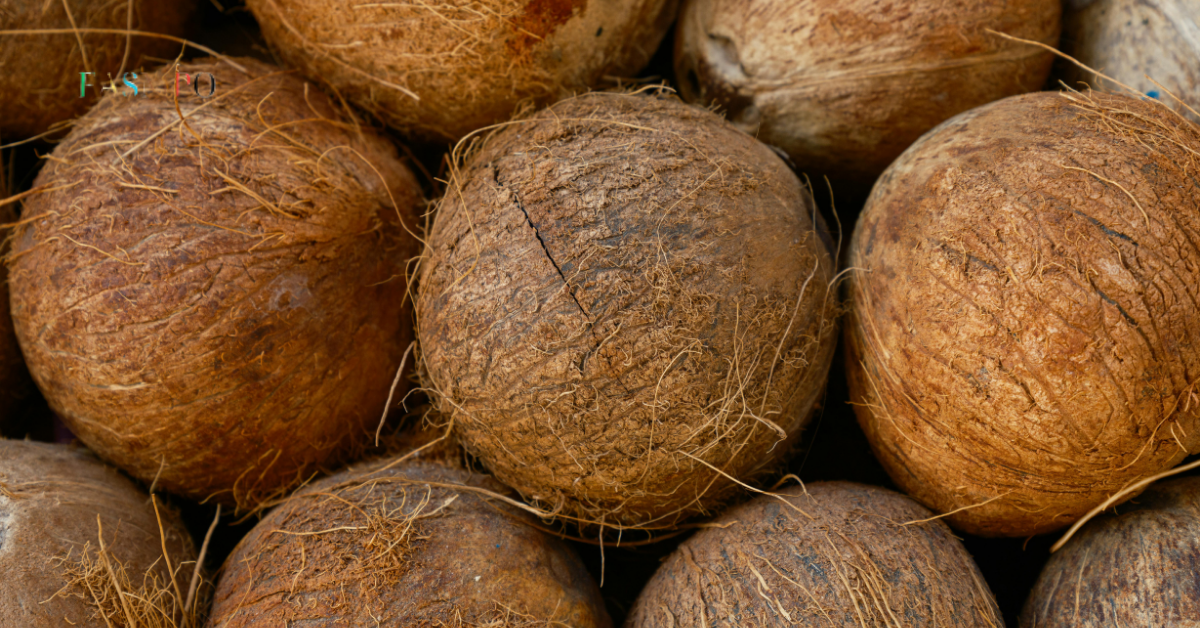
Learn about the inspection process for dried coconuts from Vietnam before export: checking the growing area, raw material quality, food safety, plant quarantine, documentation, etc
Dried coconut in Vietnam is increasingly playing an important role in the agricultural export supply chain. Dried coconut is not only a traditional raw material, but also an input for many high-value products such as shredded coconut, coconut oil, coconut milk, coconut powder, activated charcoal, coconut fiber, and coconut coir dust. However, for a batch of dried coconut to enter the international market, businesses cannot rely solely on volume or price. The decisive factor is...Inspection, quality control and export documentation completion process.
From FASMPO's perspective, the inspection of dried coconuts should not be simply understood as the final check before container loading. It's a chain of activities starting from the source, extending through procurement, processing, storage, testing, plant quarantine, documentation preparation, and customs clearance. When this process is well-organized, businesses will reduce the risk of returned goods, delayed deliveries, or loss of reputation with importing partners.
1. Identify the correct type of dried coconut and the requirements of the importing market.
Before inspection, businesses need to accurately identify the type of product they are exporting. "Dried coconut" can refer to whole mature coconuts, peeled coconuts, dried coconut meat, dried shredded coconut, or partially processed coconut products. Each product type has different requirements regarding moisture content, packaging, testing, quarantine, and HS code.
According to the Vietnamese Import and Export Goods Classification, group 0801 includes coconuts, Brazil nuts, and cashews, fresh or dried, shelled or unshelled. Therefore, businesses need to correctly classify the goods to declare them appropriately, avoiding confusion between whole dried coconuts, coconuts with shells, shelled coconuts, or deeply processed coconut products.
Besides the product code, businesses need to check the import requirements of each market. Some markets require phytosanitary certificates; some require food safety testing; and some customers require HACCP, ISO 22000, BRC, FSSC 22000, organic, or social responsibility certifications. Therefore, the inspection process for dried coconuts needs to be designed accordingly.target marketA single set of standards should not be applied to all customers.
_20260527185201.png)
2. Inspect the raw material source and ensure traceability.
Inspection process dried coconutIt starts from the growing region. A shipment that meets export standards must have a clear origin, recording the harvesting region, the collecting unit, the harvesting date, the condition of the raw materials, and the transportation process to the processing point.
With current management trends, planting area codes and packaging facility codes are playing an increasingly important role in agricultural exports. The Department of Crop Production and Plant Protection has a dedicated section on planting area codes and packaging facility codes; this includes updates on the implementation of Decree 38/2026/ND-CP related to planting area codes and packaging facility codes.
For dried coconuts, traceability helps businesses control issues such as pesticide residues, mold contamination, impurities, pests, and the uniformity of the raw material. If the raw material source is not well managed, risks will arise at the following stages: batches with unstable moisture content, moldy coconut flesh, coconut shells mixed with soil and sand, or packaging contaminated with insects during storage.
At FASMPO, developing raw material areas and production systems linked to fresh and dried coconuts in Ben Tre is a crucial part of its strategy for supplying agricultural products for export. FASMPO also showcased its capabilities related to fresh and dried coconut processing plants in Ben Tre, an area closely associated with Vietnam's coconut industry.
_20260527185216.png)
3. Check the quality of raw materials.
After harvesting, dried coconuts need to undergo quality control before processing or packaging. This is a crucial step to eliminate substandard materials and prevent them from affecting the entire batch.
Commonly checked criteria include fruit size, maturity, weight, dryness, cracks, unusual odors, signs of mold or insect infestation, impurities, and uniformity. For coconuts intended for processing into coconut meat, additional checks are needed regarding meat thickness, color, fat content, natural aroma, and the presence of rancidity. For coconuts used to make coconut fiber, coconut coir, or activated charcoal, the inspection criteria focus more on the shell, moisture content, and impurity levels.
An important principle is not to mix standard coconuts with substandard coconuts. If, simply to meet quantity requirements, businesses include defective raw materials in the same shipment, they may face consequences during inspection, quarantine, or customer checks at the port of arrival.
4. Pre-processing, cleaning, and sorting
After initial inspection, dried coconuts need to be processed according to export standards. Depending on the order, businesses may perform steps such as peeling, cleaning, removing damaged parts, sorting by size, separating the shell, extracting the flesh, drying, grinding, pressing, or packaging.
For raw dried coconut, the main goals are reducing impurities, controlling moisture content, and preventing insect infestation. For dried coconut meat or shredded coconut, the process needs to be more rigorous because these are food products that pose a direct risk to consumer health. Therefore, factories need to control the hygiene of equipment, water sources, workers, drying areas, packaging areas, and storage conditions.
Decree 15/2018/ND-CP provides detailed regulations for the implementation of several articles of the Law on Food Safety, including provisions related to self-declaration of products, registration of declarations, food safety conditions, state inspection of imported and exported food safety, and food labeling. This is an important legal foundation for businesses producing and trading coconut-based food to develop appropriate control procedures.
_20260527185234.png)
5. Testing for food quality and safety standards.
Testing is a step that helps businesses demonstrate that their products meet the technical requirements of customers or importing countries. For dried coconuts, testing criteria typically revolve around moisture content, impurities, oil content, microbiological indicators, pesticide residues, heavy metals, mycotoxins, and sensory characteristics.
For dried shredded coconut, coconut flour, or other food ingredients, microbiological testing is often crucial. Indicators may include total aerobic microorganisms, yeasts, molds, E. coli, Salmonella, or other indicators as required by the market. For whole dried coconuts or unprocessed raw materials, the focus may be on moisture content, insects, mold, and the hygienic condition of the batch.
Circular 44/2018/TT-BNNPTNT regulates state inspection of food safety for exported plant-based foods when requested by the importing country. This circular also states that the required documents may include the inspection registration form and other documents such as certificates of food safety compliance, GAP, GMP, HACCP, ISO 22000, IFS, BRC, FSSC 22000, or equivalent certifications in appropriate cases.
It's important to note that not all shipments of dried coconut are subject to mandatory state food safety inspections in the same way. Businesses need to compare the specific requirements of the importing country and the trade contract. However, even if the law or market doesn't mandate it, having test results from a suitable laboratory is still a significant advantage when working with a professional importer.
_20260527185248.png)
6. Check the packaging, labels, and packing conditions.
Packaging is not only for protecting goods but also part of the quality record. For exported dried coconuts, packaging needs to meet requirements for durability, hygiene, moisture resistance, insect resistance, and suitability for the transportation method.
If packaged in bags, the packaging must be clean, undamaged, free from chemical odors, and able to withstand the weight of containers. If packaged in cardboard boxes, the stiffness, dryness, compression resistance, and label printing specifications must be checked. For food products, the packaging in direct contact with the product must comply with food safety requirements.
Labels must accurately reflect the information required by the contract and the importing market, including product name, origin, net weight, production date, expiry date (if applicable), lot code, manufacturer or exporter name, storage conditions, and other identifying marks. Incorrect labels, missing labels, or labels that do not match the documentation are common errors that lead to shipments being held for further inspection.
7. Plant quarantine before export.
Dried coconuts are plant-based products, and therefore, in many cases, they are subject to plant quarantine regulations, especially when importing countries require a plant quarantine certificate. The Department of Crop Production and Plant Protection has a dedicated section on plant quarantine, which provides guidance on the procedures for issuing plant quarantine certificates for export and re-export, as well as notifications related to the certificate mẫu for each market.
According to Circular 33/2014/TT-BNNPTNT, the application dossier for plant quarantine for export includes the plant quarantine registration certificate for export or re-export; in the case of re-export, the original plant quarantine certificate from the exporting country must also be included.
The quarantine procedure typically includes registration for quarantine, receipt and examination of documents, inspection of the shipment, and then issuance of a certificate if the shipment meets the phytosanitary requirements of the importing country. The quarantine authority may conduct inspections at the production facility, the point of origin, the storage location inland, or the export border crossing.
Circular 33 also stipulates that the quarantine agency shall issue a plant quarantine certificate within 24 hours from the start of the quarantine inspection for objects that meet the requirements of the importing country; if it takes longer due to technical expertise requirements, a written notification or response must be provided stating the reasons.
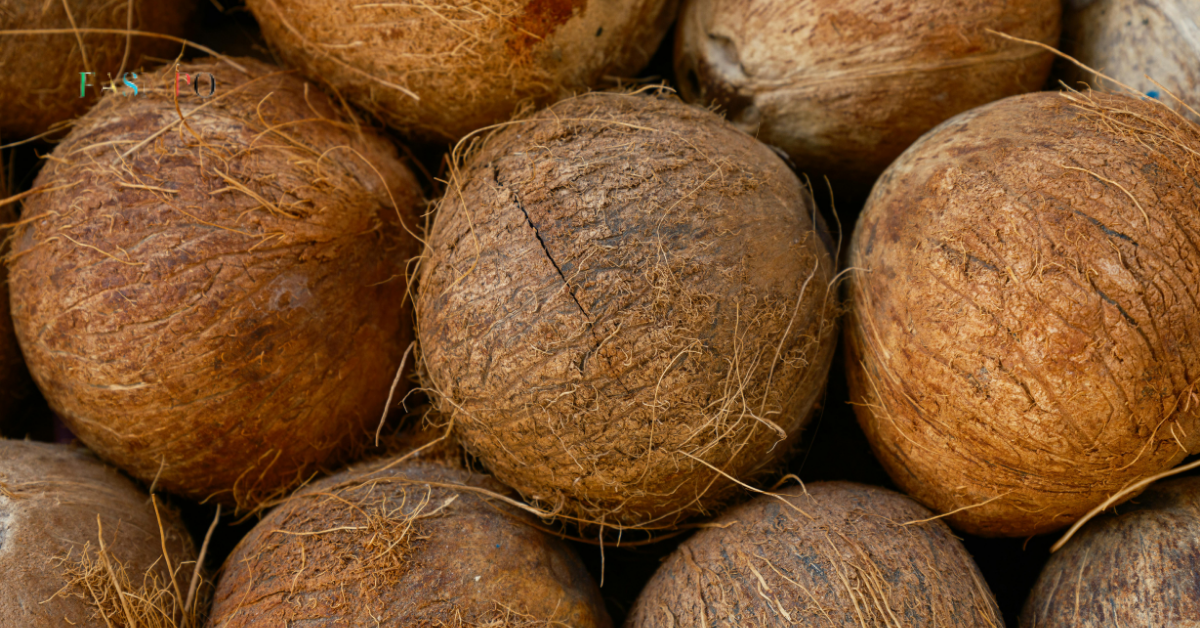
8. Handling cases where shipments do not meet requirements.
Not a lot dried coconutAll goods pass the first inspection. If goods are found to have high moisture content, mold, insects, impurities, or substandard packaging, the business must address the issue before proceeding with export procedures.
Measures may include re-drying, resorting, repackaging, warehouse cleaning, pest control according to regulations, discarding defective goods, or re-testing after processing. However, processing must comply with regulations and market requirements. Businesses should not use unauthorized chemicals or processing methods, as this could create greater risks to food safety and residue levels.
If a shipment fails to meet the phytosanitary requirements of the importing country, the quarantine authority will not issue a certificate and will notify the consignee. Therefore, internal quality control before inviting the quarantine authority is a crucial step to save time and costs.
9. Prepare the export documentation.
After the shipment passes the required internal inspection, testing, and quarantine, the business needs to complete the export documentation. This documentation may include the commercial contract, commercial invoice, packing list, bill of lading, customs declaration, certificate of origin, phytosanitary certificate, inspection certificate, food safety certificate, or other certificates as required by the customer.
For dried coconuts, consistency between documentation and the actual shipment is crucial. The product name, quantity, weight, lot code, packaging specifications, origin, and seller/buyer information must match. If the quarantine certificate describes one type of goods, the invoice describes another, or the packing list doesn't match the actual number of packages, the shipment may be subject to document corrections, customs clearance delays, or additional storage fees.
10. Inspect the container and shipping conditions.
Before loading, containers must be inspected to ensure they are clean, dry, puncture-free, odorless, free of insect infestation, and without standing water. For dried coconuts, moisture content is a particularly important factor to consider. Damp or poorly ventilated containers can cause mold, clumping, discoloration, or unusual odors during transport.
If the product is a food item made from dried coconut, businesses need to consider additional factors such as temperature, humidity, and shipping time. For some products containing natural oils, the risk of rancidity also needs to be controlled through proper packaging, warehouse conditions, and storage time.
The container loading process should be documented with photographs, loading records, seal numbers, container numbers, and lot numbers. This is crucial evidence in case of disputes regarding quality, shortages, or the condition of goods upon arrival at the import port.
11. Export customs clearance and post-export record keeping.
After completing the documentation, businesses proceed with customs declaration and export procedures as prescribed. The Vietnam Customs Portal provides search functions and information related to exported and imported goods, supporting businesses in carrying out the procedures.
After goods are shipped, businesses still need to keep records. These records should include information on the source of raw materials, purchase receipts, input inspection results, testing results, quarantine certificates, export documents, photos of packaging, and customer feedback. Maintaining these records allows businesses to quickly access information in case of complaints or when authorities or customers request inspections.
Circular 44/2018/TT-BNNPTNT also outlines the responsibilities of organizations and individuals registering for inspection, including providing complete and truthful information, maintaining records related to the origin and source of products, the place of production and supply, and conducting traceability when requested.
Conclude
The inspection process for Vietnamese dried coconuts before export is not just about taking samples or applying for certificates. It's a comprehensive control system encompassing the entire process, from cultivation area and raw materials to processing, testing, plant quarantine, packaging, labeling, documentation, and transportation.
For export businesses, good quality control helps reduce risks, increase credibility, and create a competitive advantage. For international customers, a batch of dried coconuts with clear documentation, consistent quality, and transparent traceability will be far more trustworthy than goods that only compete on price.
FASMPO believes that for Vietnamese dried coconuts to develop sustainably in the international market, businesses need to invest seriously in quality control processes from the outset. When quality is controlled at the source and documentation is standardized, each shipment of dried coconuts is not just an export product, but also represents the reputation of Vietnamese agricultural products.
Contact: