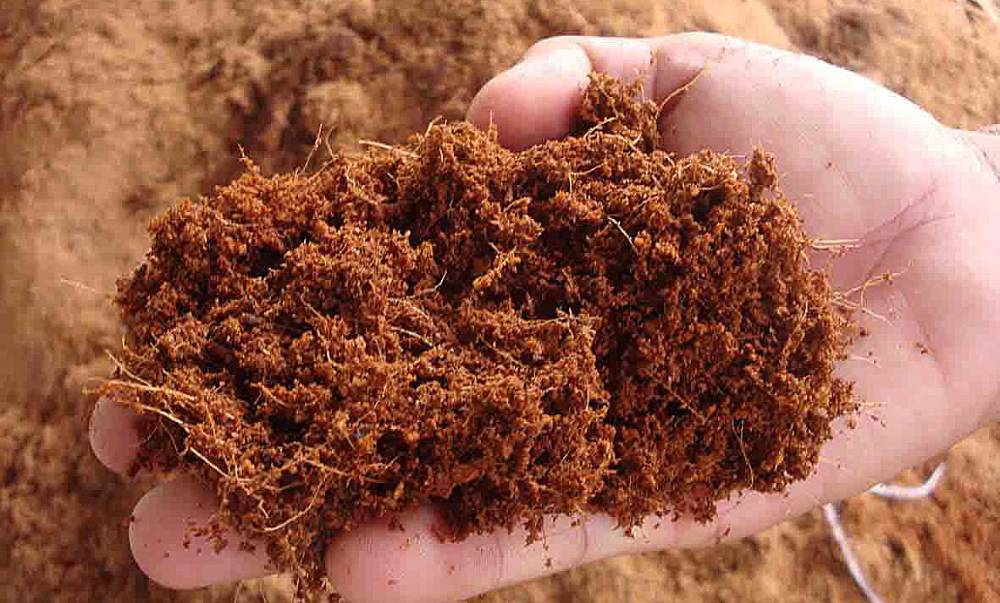
The dried coconut growing region plays a fundamental role in the agricultural export supply chain, from raw material quality and traceability to deep processing and sustainable development
In the agricultural export supply chain, the growing region is not just a source of raw materials. For the coconut industry, especially...dried coconutFurthermore, the growing region determines product quality, traceability, order stability, and the reputation of the business in the international market. As foreign buyers increasingly focus on safety standards, sustainability, and origin documentation, the growing region for dried coconuts becomes a crucial foundation for Vietnamese agricultural products to reach further markets.
With a focus on connecting production chains across multiple sectors, including agriculture, FASMPO recognizes high-quality growing areas as the starting point of a professional export supply chain. On its website, FASMPO demonstrates its orientation in the agricultural sector with the elements "High quality growing area" and "GACC," highlighting the role of certified raw material areas in its export strategy.
1. Dried coconut is a crucial raw material link in the coconut export industry.
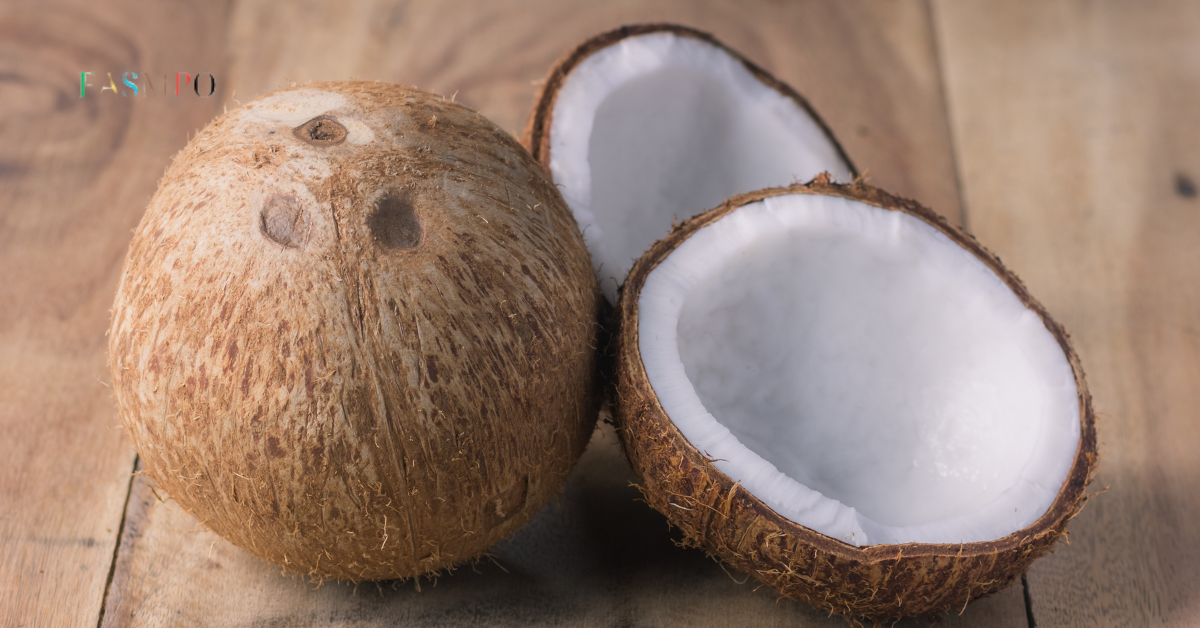
Dried coconut are coconuts that have reached a certain maturity, with thick flesh, high oil content, and are suitable for processing into many valuable products. Unlike fresh coconuts, which are mainly used for direct consumption, dried coconuts are the raw material for products such as dried shredded coconut, coconut milk, coconut cream, coconut oil, coconut powder, activated charcoal, coconut coir, coconut fiber, and many other auxiliary products.
The unique aspect of dried coconut is that almost the entire fruit can be utilized. The coconut flesh is used for food and coconut oil; the coconut shell can be used to make activated charcoal; and the coconut husk provides coir and coconut dust for agriculture, handicrafts, and biomaterials. This multi-layered utilization capability gives dried coconut a significant role in the circular economy model of agriculture.
In major coconut-growing regions like Ben Tre, coconuts are not only a traditional crop but also a sector linked to the livelihoods of farmers, cooperatives, processing plants, and export businesses. According to the Ben Tre Provincial Coconut Association, in 2024 the province had nearly 79,900 hectares of coconut trees, accounting for approximately 42% of the national coconut area and about 88% of the coconut area in the Mekong Delta, with a production of approximately 708 million coconuts.
_20260527105659.png)
2. The region where dried coconuts are grown determines the quality of the input.
In agricultural exports, the quality of the final product cannot be determined solely at the factory. With dried coconuts, quality begins with the variety, soil, water, cultivation techniques, harvesting time, and collection methods in the growing region.
A well-organized growing area ensures coconuts have consistent size, a high flesh-to-fat ratio, appropriate dryness, and minimal post-harvest spoilage. This is crucial for processing plants to maintain uniform quality across batches. If the growing area is scattered and cultivation practices are inconsistent, businesses will find it difficult to control coconut maturity, agricultural input residue, the percentage of defective coconuts, and the ability to fulfill large orders.
For processed products dried coconut Even a small fluctuation in raw material quality can affect the color, flavor, fat content, moisture content, and shelf life of the finished product. For example, shredded coconut used for drying requires clean raw materials, free from strange odors, mold, and with stable fat content. Coconut oil requires high-quality coconut pulp for high pressing efficiency. Coconut fiber and coconut coir require properly processed coconut husks to meet requirements for cleanliness, moisture, and salinity.
Therefore, the dried coconut growing region not only provides the output. The growing region is where the "original quality" is created for the entire supply chain.
_20260527105714.png)
3. Growing region is the foundation of traceability.
Today's export markets are not just asking "what is this product?", but also "where does this product come from, how is it produced, and who is responsible if there are any problems?". This is why traceability is increasingly becoming a mandatory requirement for agricultural products.
The Ministry of Industry and Trade operates an online information portal on product origin traceability to provide official and transparent information about product origins, supporting consumer and business confidence. Meanwhile, the Department of Crop Production and Plant Protection also has a section on planting area codes and packaging facilities, reflecting the increasingly important role of planting area management in agricultural exports.
For dried coconuts, traceability helps businesses know where the raw materials come from, which batch, when they were harvested, and which individual farmer or cooperative supplied them. With a clear traceability system, businesses can better manage risks, quickly pinpoint issues if they arise, and increase trust with importers.
Conversely, if dried coconut raw materials are collected from various uncontrolled sources, businesses may face risks regarding quality, origin documentation, quarantine standards, and trade reputation. In the export supply chain, a single shipment flagged can affect not only the selling business but also the image of the entire industry.
4. The growing area helps stabilize production and delivery schedules.
One of the key requirements of international buyers is the ability to deliver consistently. Importers not only need good prices, but also suppliers who can meet demand regularly according to seasonality, contract terms, and agreed specifications.
Well-connected coconut growing areas will help businesses be more proactive in their raw material planning. With data on acreage, yield, harvesting schedules, and processing capacity, businesses can forecast supply, plan production, and negotiate orders more realistically. This is especially important for deeply processed products such as dried shredded coconut, coconut milk, coconut oil, activated charcoal, or coconut fiber for export.
If the supply of raw materials is unstable, businesses can easily face shortages when prices rise, surpluses when the market is slow, or insufficient quality to fulfill large orders. For exports, delayed deliveries, incorrect specifications, or inconsistent quality can lead to long-term customer loss.
Therefore, the dried coconut growing region acts as a "strategic buffer" between farmers, factories, and the international market. A good raw material source helps the entire chain operate more smoothly, reduces costs, and enhances competitiveness.
_20260527105731.png)
5. Growing areas facilitate deep processing and increase export value.
If only raw coconuts are sold, the value derived from them will be limited. Conversely, when dried coconuts undergo further processing, their value can be expanded across various product lines. This is a crucial direction for Vietnam's coconut industry to enhance its position in the international market.
According to information cited by Dan Tri newspaper from the Customs Department, in 2025 the export value of coconuts and coconut products is expected to reach approximately 1.15 billion USD, with fresh coconuts accounting for over 533 million USD. This figure shows that the Vietnamese coconut industry is entering the group of agricultural export sectors with a significant scale.
However, to sustain growth, the coconut industry cannot rely solely on short-term demand. A sustainable cultivation base is needed to supply processing plants. Once cultivation areas are stable, businesses can invest in technology, standardize products, build brands, and develop higher-value product lines.
For example, from a single dried coconut, a business can develop many product groups: food, beverages, industrial raw materials, agricultural materials, cosmetics, and handicrafts. This diversification helps reduce dependence on a single market while better utilizing the full biological value of the coconut tree.
6. Standardized growing areas help meet the requirements of import markets.
Each importing market has its own requirements regarding quarantine, food safety, packaging, labeling, chemical residue levels, and traceability. For demanding markets, products not only need to be delicious or visually appealing, but also must demonstrate a safe and transparent production process.
A standardized dry coconut growing area makes it easier for businesses to meet these requirements. When farmers keep cultivation logs, adhere to guidelines for using agricultural inputs, harvest at the right age, and link with reputable purchasing facilities, the entire chain will have a basis for building export documentation.
In particular, for markets requiring planting area codes or traceability records, organizing the raw material area from the outset will help businesses reduce the risk of being caught off guard. Instead of only processing documents when an order is placed, businesses need to view the planting area as part of their long-term export capacity.
This is also why many agricultural businesses today not only buy goods based on price, but also invest in raw material areas, cooperatives, farmers, and quality control processes at the source.
_20260527105745.png)
7. Dried coconut growing areas contribute to the development of farmers' livelihoods.
A sustainable export supply chain is inseparable from the interests of coconut farmers. When growing regions are linked with businesses, farmers have access to better technology, more stable markets, and more transparent product pricing.
Instead of selling coconuts through multiple intermediaries, farmers in the linked region can participate in a supply chain with clear contracts, standards, and procurement plans. This helps reduce the problem of bumper harvests leading to price drops, while also encouraging growers to maintain the quality of their coconut plantations.
A well-organized farming area also facilitates the role of cooperatives as intermediaries between farmers and businesses. Cooperatives can assist with collection, sorting, data recording, technical guidance, and quality control. When cooperatives are strong, export businesses also have more reliable raw material partners.
In the long term, the dry coconut growing region not only contributes to export revenue but also creates a foundation for local economic development, maintains stable rural livelihoods, and promotes the transition from small-scale production to professional agricultural economy.
8. Growing regions are the foundation for building Vietnamese agricultural product brands.
A strong agricultural brand doesn't just come from attractive packaging or good marketing. The brand must start with genuine quality, authentic sourcing, and reliable delivery capabilities.
For dried coconuts, the growing region can become part of the brand story. When a business can clearly showcase where the coconuts come from, how they are cultivated, and what harvesting and quality control processes are in place, the product will be more convincing to international customers.
Ben Tre is a prime example of a locality whose image is closely associated with coconut trees. FASMPO is also leveraging coconut products originating from Ben Tre in its fresh coconut export activities, demonstrating the importance of the growing region in building trust with customers.
In the context of competing with countries with developed coconut industries such as the Philippines, Indonesia, Sri Lanka, and Thailand, Vietnam needs more than just a price advantage. What needs to be built is an advantage in quality, reliability, the ability to fulfill orders, and transparency in the supply chain.
9. Current challenges facing dry coconut growing regions.
Despite its great potential, the dry coconut growing region still faces many challenges. One of the common problems is the fragmented nature of production, small-scale household farming, difficulty in standardizing techniques, and difficulty in controlling quality on a large scale.
In addition, climate change, saltwater intrusion, pests and diseases, aging coconut plantations, and fluctuations in purchase prices also affect the stability of the supply. Without strategies for plantation improvement, selecting suitable varieties, and effective water management, the quality of dried coconuts could be affected in the long term.
Another challenge is the lack of fully digitized data from growing regions. Many raw material areas still rely on traditional procurement methods, lacking systems for recording yields, harvest schedules, and batch information. This makes it difficult for businesses to meet the increasingly stringent traceability requirements of importing markets.
Furthermore, the links between farmers, cooperatives, factories, and export businesses in some areas are still not strong enough. When market prices fluctuate, these loose links are easily broken, posing risks to both growers and businesses.
10. Solutions to enhance the role of dried coconut growing regions in exports.
For dried coconut growing areas to truly become the foundation of the export supply chain, a comprehensive set of solutions needs to be implemented.
First, it is necessary to standardize farming practices in the growing region. Farmers need guidance on seeds, fertilizers, pest and disease control, harvesting, and post-harvest storage. Standards such as VietGAP, GlobalG.A.P., organic farming, or specific market standards can be applied depending on the customer segment.
Secondly, a clear traceability system needs to be established. Each batch of coconuts should have information about the growing region, the producer, the harvest date, the collection point, and the processing facility. When data is digitized, businesses can manage quality more quickly and provide more transparent records to partners.
Thirdly, it is necessary to develop a sustainable linkage model between farmers, cooperatives, and businesses. Businesses should not only play the role of the final buyer, but should also participate from the beginning in the process of planning raw material areas, providing technical support, setting standards, and committing to purchasing.
Fourth, investment in processing facilities near the growing areas is necessary. Proper sorting, storage, and transportation of dried coconuts will reduce losses, lower costs, and improve the quality of input for factories. Processing points in the raw material areas also help to better control the maturity, cleanliness, and damage of the coconuts.
Finally, it's essential to link the growing region with a branding strategy. Each coconut growing area can be developed into a story about quality, people, natural conditions, and a commitment to sustainability. This is what helps Vietnamese coconut products stand out in the international market.
11. The role of businesses in developing dry coconut growing areas.
Exporting businesses play a crucial role in upgrading growing areas. If businesses only buy and sell on a shipment-by-shipment basis, the supply chain will struggle to develop sustainably. Conversely, if businesses invest in raw material areas, establish standards, and forge long-term linkages, the entire chain will benefit.
With a focus on connecting production and trade, FASMPO can act as a bridge between growing regions, processing plants, and international customers. In the dried coconut supply chain, businesses need to excel in three areas: selecting the right raw material sources, controlling quality according to market standards, and organizing stable deliveries.
For international customers, what they need is not just a seller, but a partner with long-term supply capabilities. A business with clearly defined raw material sources, good quality control processes, and transparent traceability will have a greater advantage in negotiations and customer retention.
Conclude
The dried coconut growing region is the foundation of the agricultural export supply chain. It determines the quality of raw materials, traceability, production stability, efficiency of deep processing, and brand reputation in the international market.
In the context of Vietnam's coconut industry having many opportunities for expansion, developing standardized, transparent, and sustainable dry coconut growing areas is essential. Businesses that effectively control their raw material sources will have a significant advantage in the export value chain.
For FASMPO, the growing region is not just the starting point of a product. It is the foundation for building trust, quality, and long-term growth in Vietnam's agricultural export industry.
Contact: