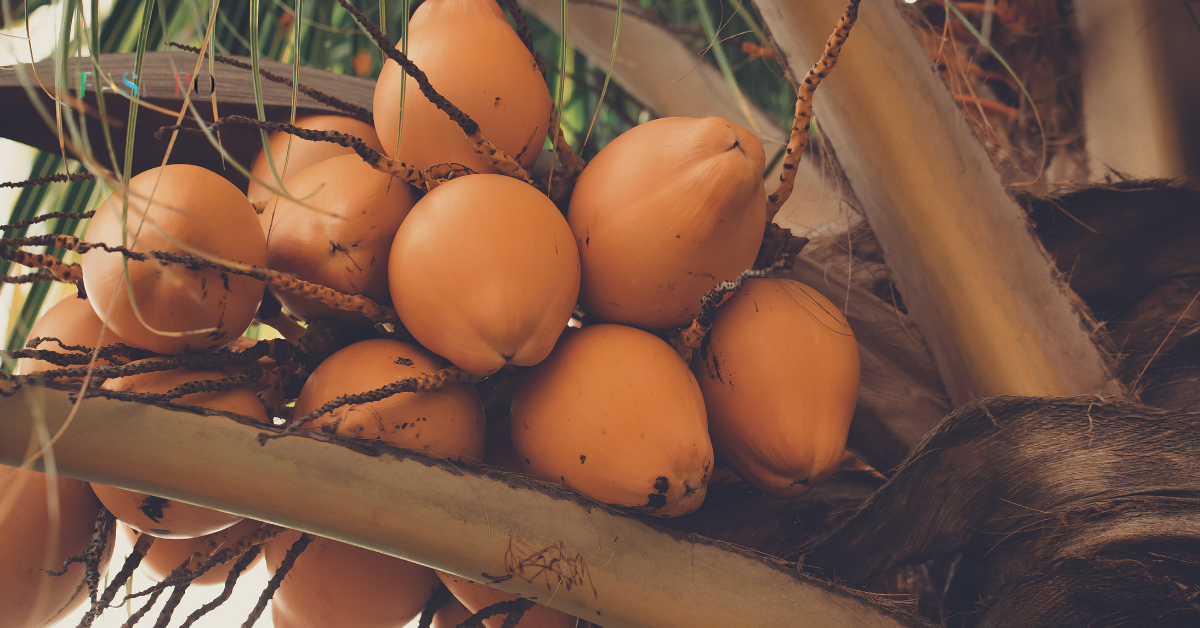
Coconut is one of Vietnam's familiar agricultural products, especially in the Mekong Delta provinces such as Ben Tre, Tra Vinh, Tien Giang, Vinh Long, and some coastal areas of Central Vietnam. From fresh coconuts, Vietnamese people have created many products with high economic value such as coconut water, coconut flesh, coconut oil, coconut milk, coconut powder, activated charcoal from coconut shells, and especially dried coconut.
Coconut is one of Vietnam's familiar agricultural products, especially in the Mekong Delta provinces such as Ben Tre, Tra Vinh, Tien Giang, Vinh Long, and some coastal areas of Central Vietnam. From fresh coconuts, Vietnamese people have created many products with high economic value such as coconut water, coconut flesh, coconut oil, coconut milk, coconut powder, activated charcoal from coconut shells, and especially dried coconut.
In the modern food industry, Vietnamese dried coconut is gaining increasing attention due to its naturally rich and aromatic flavor, good shelf life, ease of transport, and versatile applications. Beyond traditional pastries, dried coconut is used in breakfast cereals, energy bars, snacks, ice cream, chocolate, plant-based milk, vegetarian dishes, and many other processed products.
What is dried coconut?
Dried coconut is the flesh of mature coconuts that has been separated from the shell and then processed using methods such as shredding, grating, drying, or sun-drying to reduce moisture content. Depending on the intended use, dried coconut can be produced in various forms: shredded dried coconut, grated dried coconut, coconut chips, coconut slices, dried coconut flesh, coconut powder, or as a raw material for pressing coconut oil.
In international trade, unsweetened shredded coconut is often referred to as "desiccated coconut." This is a popular form of dried coconut used in the confectionery, packaged food, and industrial processing industries. The product can have fine, medium, or long-fibered particles depending on the manufacturer's requirements.
The main difference between dried and fresh coconuts lies in their water content. Fresh coconuts contain more water, have a softer texture, and a shorter shelf life. Dried coconuts have had their moisture content reduced, resulting in a richer, creamier flavor, easier storage, and greater convenience for mass production.
_20260529080739.png)
Nutritional value of dried coconut
Dried coconut Dried coconut is a high-energy-density food. On average, 100g of unsweetened dried coconut can provide about 660 kcal, mostly from fat. This is why dried coconut is often used as an ingredient to add fat, enhance flavor, and improve the texture of food.
In terms of composition, dried coconut typically contains about 64–65g of fat per 100g, with the majority being saturated fat. Additionally, dried coconut contains approximately 23–24g of carbohydrates, nearly 7g of protein, and about 16g of fiber per 100g. This is a fairly significant amount of fiber compared to many other food ingredients.
Dried coconut also provides several important minerals. Potassium supports electrolyte balance in the diet in general. Magnesium and phosphorus are involved in many metabolic functions of the body. Iron, zinc, copper, manganese, and selenium are also present in certain amounts, contributing to making dried coconut a more diverse and nutritious ingredient than simply being considered a source of fat.
However, it's important to understand that dried coconut is not a "superfood" that can replace a balanced meal. It's a high-energy ingredient, suitable for use in moderation as part of a varied diet. Those needing to control energy intake, saturated fat, or with specific nutritional requirements should carefully consider their portion sizes.
_20260529080759.png)
Fiber in dried coconut and its role in food.
One notable aspect of dried coconut is its high fiber content. Fiber helps create a feeling of fullness, supports product structure, and enhances the sensory value of many dishes. In food production, fiber from dried coconut also helps improve firmness, porosity, or binding properties depending on the recipe.
For example, in cookies, snacks, granola, or energy bars, dried coconut adds crispness and a pleasant chewy texture. In plant-based products, dried coconut provides a natural texture without relying too much on thickeners.
From a consumer perspective, the fiber in dried coconut is an advantage, but it shouldn't be consumed in excessive amounts. Dried coconut is still a high-fat and high-calorie ingredient. A reasonable serving size is usually a small amount used as a topping, in baked goods, or as a supplementary ingredient in recipes.
_20260529080812.png)
What are the advantages of Vietnamese dried coconut?
Vietnam has favorable natural conditions for coconut cultivation, especially in the Mekong Delta region. The tropical climate, water resources, soil, and long-standing farming experience give Vietnamese coconuts a distinctive flavor, natural richness, and great processing potential.
Another advantage is the increasingly diverse ecosystem of coconut products in Vietnam. Businesses not only sell fresh coconuts but also develop processed product lines such as dried shredded coconut, coconut milk, coconut cream, coconut oil, frozen coconut meat, coconut powder, coconut snacks, coconut shell charcoal, and handicrafts made from coconut shells, fibers, and husks.
For dried coconut, Vietnam's advantages lie in its relatively abundant raw materials, flexible processing capabilities, and increasingly favorable position in the tropical agricultural supply chain. As demand for plant-based foods increases, Vietnamese dried coconut has more opportunities to participate more deeply in the international food ingredient market.
Applications of dried coconut in the confectionery industry.
The confectionery industry is a very common use of dried coconut. Dried coconut can be used as a filling, topping, blending ingredient, or flavoring agent. In cookies, dried coconut adds a rich aroma and a light, crispy texture. In sponge cakes, sweet breads, or rolls, dried coconut enhances the appeal of the filling and the surface.
In Vietnam, dried coconut is commonly used in baked coconut cakes, sticky rice cakes, steamed rice cakes, banana cakes, coconut candy, coconut-filled mooncakes, and many other traditional dishes. When incorporated into industrial processes, dried coconut helps standardize flavor, reduce reliance on fresh ingredients, and extend product shelf life.
For confectionery manufacturers, dried coconut has the advantage of being easy to measure, easy to mix, less prone to spoilage than fresh coconut, and can be ordered according to specifications such as size, moisture content, fat content, color, or packaging.
Applications in instant food and snacks.
Dried coconut is increasingly used in ready-to-eat products such as granola, muesli, nutritional cereals, trail mix, energy bars, dried fruit snacks, and yogurt toppings. This is because dried coconut provides a natural creamy flavor and combines well with many other ingredients such as oats, cashews, almonds, dried bananas, dried mangoes, cocoa, honey, or chocolate.
In today's consumer trends, buyers are often interested in convenient products that still feel natural. Dried coconut effectively meets this need if it is produced without added sugar, unnecessary preservatives, and has transparent information about its origin.
Roasted coconut snacks, crispy dried coconut snacks, or coconut slices also have strong growth potential. They are suitable for office workers, travelers, vegetarians, those who prefer plant-based foods, and those looking for a different snack option compared to potato chips or sugary candies.
_20260529080832.png)
Applications in beverages and plant-based products.
Coconut is a key ingredient in plant-based foods and beverages. From dried coconuts, manufacturers can process them into coconut milk, coconut cream, coconut ice cream, coconut powder, or as a base ingredient for many dairy alternatives.
In the beverage industry, coconut powder or finely ground dried coconut can be used to add a creamy flavor to coffee, milk tea, smoothies, nutritional drinks, or packaged beverages. Coconut flavor pairs well with cocoa, coffee, matcha, tropical fruits, black sesame, mung bean, and many other Asian flavors.
For plant-based foods, dried coconut provides a source of fat without the need for animal-derived ingredients. This is a significant advantage in the context of growing global consumer interest in plant-based products, flexible vegetarian diets, and diets that reduce reliance on animal products.
Applications in home cooking and Vietnamese cuisine.
In the home kitchen, dried coconut is a convenient ingredient. It can be sprinkled on sweet soups, sticky rice, cakes, ice cream, yogurt, smoothies, or oatmeal. Dried coconut can also be lightly roasted to enhance its aroma, then used as a topping for fruit salads, pancakes, or desserts.
In Vietnamese cuisine, the flavor of coconut is associated with a rich, aromatic, and rustic taste. Dried coconut helps cooks preserve this flavor without having to prepare fresh coconut meat every time they cook. For small eateries, bakeries, or artisanal businesses, dried coconut saves preparation time and reduces ingredient waste.
However, when using it at home, choose a product that doesn't have a stale oil smell, isn't damp or moldy, doesn't have unusual colors, and is sealed tightly. After opening, store it in a dry place, away from direct sunlight, and use it within the manufacturer's recommended timeframe.
Applications outside of food
Besides food, coconut by-products are also valuable in cosmetics, personal care, agriculture, and handicrafts. Coconut oil is used in soaps, creams, massage oils, and hair care products. Coconut fiber is used as a growing medium. Coconut shells can be used to produce activated charcoal, handicrafts, household goods, and decorative materials.
This demonstrates that the coconut tree is a multi-valued crop. When developing a dried coconut supply chain, businesses not only create the main product but can also utilize by-products to increase economic efficiency and reduce waste. This is a direction consistent with sustainable production and the circular economy.
_20260529080847.png)
How to choose quality dried coconut
To choose quality dried coconut, buyers should pay attention to four factors: color, smell, moisture content, and product information. Good quality dried coconut is usually off-white or natural white, not dark yellow, free of mold spots, and without any strange odors. The aroma should be a light, characteristic coconut scent, not a rancid or damp smell.
Regarding moisture content, dried coconut needs to be dry enough for proper storage but not too crumbly if intended for use as a topping or garnish. For industrial production, buyers should require clear specifications such as moisture content, particle size, fat content, microbiological standards, packaging specifications, and relevant certifications if intended for export.
For individual consumers, prioritize products with sealed packaging, clear labels, complete expiration dates, and transparent origins. If you want to control your sugar intake, choose unsweetened dried coconut instead of those coated with sugar or artificial flavoring.
Notes on using dried coconut in your diet
Dried coconut offers many advantages in terms of flavor and applications, but it needs to be used in moderation. Because it is high in calories and saturated fat, dried coconut should not be consumed in excessive amounts daily. The appropriate way to use it is as a supplementary ingredient: sprinkle a little on dishes, incorporate it into recipes, or use it as a flavoring agent.
Individuals managing weight, blood lipid levels, cardiovascular disease, or following special diets should consult a nutritionist before regular use. For children, the elderly, or those with digestive issues, small doses should be used, and tolerance should be monitored.
It's important not to view dried coconut in an extreme way. It's not a "bad" food, but it's also not an ingredient to be eaten without limit. When used correctly, dried coconut is a delicious and valuable natural ingredient in many balanced diet recipes.
The export potential of Vietnamese dried coconut.
Vietnamese coconuts are seeing many opportunities in the international market thanks to increasing demand for tropical foods, plant-based products, and processed ingredients. Dried coconut is one of the suitable products for export because it is easier to transport than fresh coconut, has a longer shelf life, and can cater to a wider range of customer segments.
Importing markets are typically interested in consistent quality, food safety, traceability, organic certification, quality management certification, and long-term supply capabilities. Therefore, to enhance the value of Vietnamese dried coconuts, businesses need to invest in raw material sourcing, processing standards, quality control, and brand building.
If only raw materials are sold, the added value will be limited. Conversely, by developing deeply processed dried coconut products such as coconut snacks, coconut toppings, coconut powder, high-end bakery ingredients, or organic product lines, Vietnamese businesses can increase profit margins and create a better position in the international market.
Conclude
Vietnamese dried coconut is a valuable ingredient with wide-ranging nutritional and practical applications. With its high energy content, natural fats, fiber, and numerous minerals, dried coconut is suitable for use in confectionery, snacks, beverages, plant-based foods, home cooking, and many other processing industries.
However, the value of dried coconut lies not only in its nutritional value. It also represents the potential for deep processing of Vietnamese agricultural products. When produced according to standards, properly preserved, and branded systematically, dried coconut can become one of the important raw materials to enhance the value chain of Vietnam's coconut industry.
For consumers, choose dried coconut from a reliable source, prioritize unsweetened varieties if portion control is necessary, and use it in moderation as part of a varied diet. For businesses, Vietnamese dried coconut is a worthwhile investment, not only because of its distinctive flavor but also because of its versatile applications in the trend towards natural, convenient, and plant-based foods.