Learn about sources of affordable dried coconut in Vietnam, including sourcing regions, export trends, market opportunities, and criteria for selecting reputable suppliers...
Dried coconut is becoming one of the most promising processed products in Vietnam's coconut industry value chain. From mature coconuts, businesses can produce shredded coconut, coconut shreds, coconut chips, coconut slices, coconut flour, baking ingredients, food toppings, coconut snacks, and many products for export. As global demand for natural, convenient, and plant-based foods increases, the supply of affordable dried coconut in Vietnam is attracting more and more attention from buyers.
However, "good price" should not be simply understood as cheap price. For dried coconut, a good price is a reasonable price when compared to the quality, consistency, delivery capability, certification, packaging, testing, and services provided by the supplier. A source with a low price but inconsistent moisture content, prone to rancidity, failing microbiological standards, or lacking export documentation will pose a significant risk to the buyer. Conversely, a supply with competitive pricing, clearly defined quality, and consistent delivery is the foundation for long-term business growth.
What advantages does Vietnam have in terms of dried coconut supply?
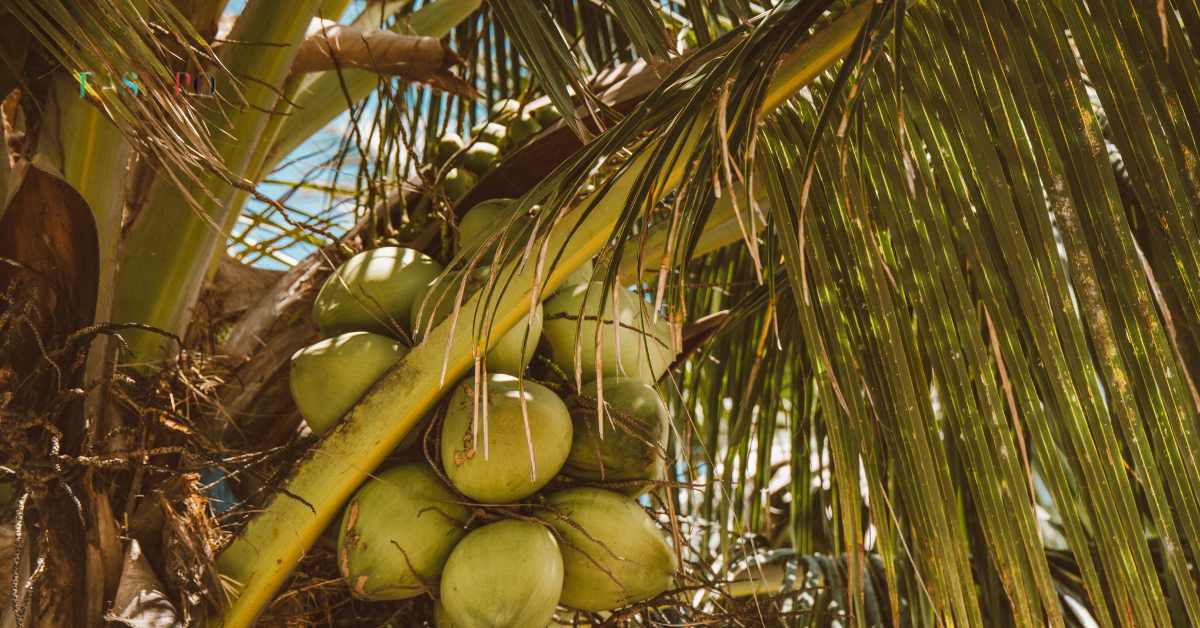
Vietnam has favorable natural conditions for coconut cultivation, especially in the Mekong Delta and some coastal provinces in Central Vietnam. Regions such as Ben Tre, Tra Vinh, Tien Giang, Vinh Long, and neighboring areas have established a long-standing tradition of growing, harvesting, processing, and manufacturing coconuts.
Vietnam's first advantage is its relatively abundant raw materials. Coconut trees thrive in tropical climates, can be harvested year-round, and produce a wide variety of products. This gives businesses the opportunity to secure a more stable supply compared to some agricultural products with shorter harvest seasons.
The second advantage is the increasingly diverse processing ecosystem. From a single coconut, the processing industry can produce coconut water, coconut flesh, coconut oil, coconut milk, dried shredded coconut, coconut flour, activated charcoal from coconut shells, coconut fiber, and many other by-products. By making good use of the entire coconut, businesses can optimize costs, reduce losses, and create a foundation for more competitive pricing.
The third advantage is the flexibility of Vietnamese businesses. Many manufacturers can supply dried coconut in various forms: fine, medium, chips, flakes, shreds, high-fat, low-fat, sugar-free, organic, or according to customer specifications. This is an important factor because each market and each industry has different requirements.
Where can I find a good source of affordable dried coconut?
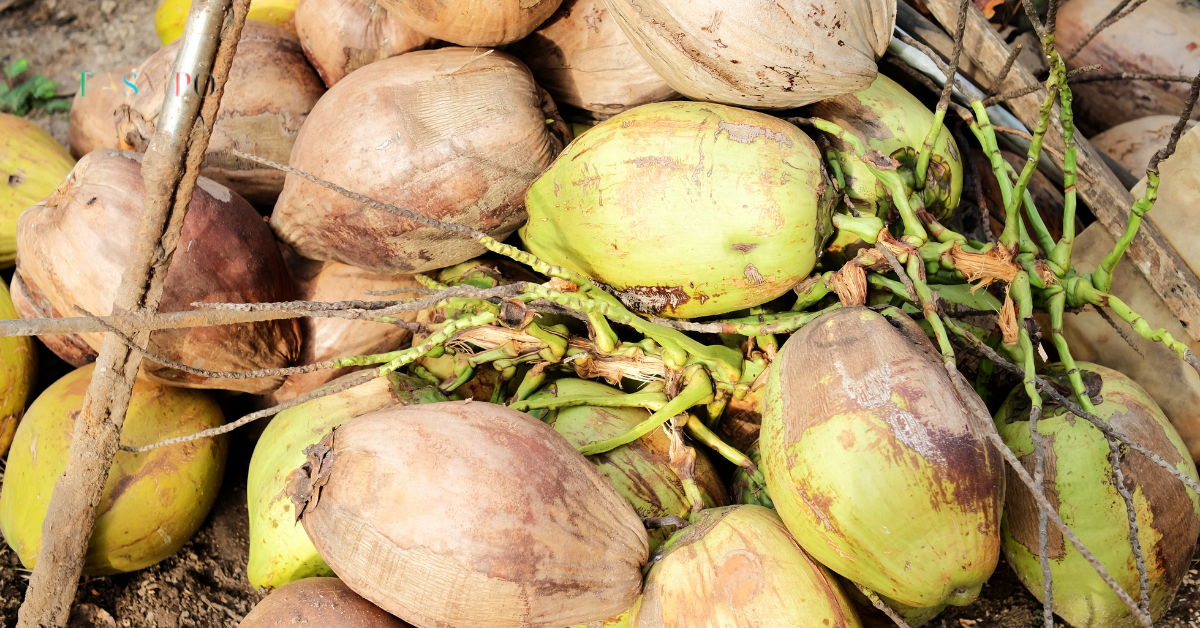
Supply Dried coconut at good prices in Vietnam It typically consists of three main groups: raw material areas, preliminary processing facilities, and processing plants. In this structure, the raw material area determines the quality of the input; the preliminary processing facilities determine cleanliness, freshness, and loss rates; and the processing plants determine food stability, safety, and export potential.
At the source level, coconuts used to produce dried coconut are typically mature coconuts with thick flesh, good fat content, and appropriate maturity. The coconuts should not be cracked, moldy, fermented, or contaminated. If the raw materials are not of good quality, the dried coconut product will have difficulty achieving a beautiful color, aroma, and stability.
At the initial processing stage, coconut flesh needs to be peeled, the brown outer layer removed, washed thoroughly, and processed according to proper procedures. This step greatly affects the color and hygiene standards. If the initial processing is not thorough, the finished product may contain brown spots, impurities, or have an unusual odor.
At the factory level, the drying, cooling, sorting, metal detection, packaging, and warehousing processes need to be tightly controlled. A good-value dried coconut supplier not only needs to have competitive raw material prices but also a sufficiently stable process to minimize errors, reduce complaints, and deliver the promised quality.
What factors determine a good price?
The price of dried coconut depends on several factors. The first factor is the price of raw coconut. When the price of fresh coconut or coconut meat increases, the price of dried coconut is usually put upward pressure on prices. Conversely, when the raw material supply is abundant, businesses may be in a position to offer more competitive prices.
The second factor is the rate of loss during processing. From the initial coconut to the finished dried coconut product, the product must go through many steps such as shelling, peeling the brown skin, washing, cutting, drying, and sieving. If the raw materials are not uniform or the process is not optimized, high losses will increase the cost.
The third factor is quality standards. Dried coconut with low moisture content, a beautiful white color, a natural aroma, uniform particle size, and meeting microbiological standards usually commands a higher price than ordinary coconut. This is reasonable because high-quality products require higher costs for quality control, testing, and management.
The fourth factor is packaging and logistics. Exported dried coconuts require moisture-proof packaging suitable for food contact and ensuring safety during transportation. If the goods are shipped long distances by sea, businesses must also consider containers, pallets, desiccant bags, warehousing, and export documentation.
Therefore, when evaluating "good value," buyers should not only look at the price per kilogram. They need to compare the total value received: quality, stability, risk costs, delivery time, certification documents, and the potential for long-term cooperation.
_20260529091916.png)
What direction is the Vietnamese dried coconut market developing in?
The Vietnamese dried coconut market is shifting from selling simple raw materials to supplying products with clearer standards. Previously, many orders were primarily focused on price. Now, customers are increasingly demanding additional information such as specifications, Certificates of Analysis (COA), microbiological indicators, food safety certifications, professional packaging, and traceability.
This reflects a shift in the international market. Food manufacturers not only need cheap ingredients, but also safe, stable ingredients that can be used directly in the production line. Dried coconut is commonly used in confectionery, chocolate, granola, snacks, plant-based milk, beverages, desserts, and ready-to-eat products. Therefore, risks related to microorganisms, impurities, or unusual odors can seriously impact the buyer's brand.
Another trend is the demand for natural, clean-label, plant-based, and organic products. Dried coconut has the advantage of being a plant-based ingredient, having a distinctive flavor, and being easy to incorporate into many recipes. If the product is sugar-free, flavor-free, contains no unnecessary preservatives, and has appropriate certifications, its commercial value can be higher.
Dried coconut offers good value in the confectionery and convenience food industries.
The confectionery industry is one of the largest customer groups for dried coconut. Dried coconut is used as a filling, topping, blending ingredient, or flavoring agent. In cookies, chocolates, snacks, cakes, ice cream, and candies, dried coconut enhances the rich, creamy flavor and creates an appealing chewy texture.
In convenience foods, dried coconut is frequently found in granola, muesli, energy bars, trail mix, yogurt toppings, dried fruit snacks, and premium fast-food products. This segment is experiencing strong growth as consumers increasingly favor convenient products while still wanting a natural feel.
A good supply of dried coconut at a reasonable price helps manufacturers optimize their formulas and costs. However, the convenience food industry often requires consistent quality between batches. If the same medium-sized coconuts have different quality – one batch with beautiful kernels, another with more broken pieces, or a different color – manufacturers will face difficulties in controlling the finished product. Therefore, suppliers need to ensure uniformity, not just compete on price.
_20260529091927.png)
Export opportunities for Vietnamese businesses
Dried coconut is a suitable product for export because it has a longer shelf life than fresh coconut, is easier to transport, and can be standardized to various specifications. Vietnam can supply many customer groups: raw material importers, confectionery factories, plant-based food businesses, retail packaging units, Asian food distributors, and snack brands.
The biggest opportunity lies in shifting from raw to standardized products. If a business only sells dried coconut as a standard raw material, its profit margin will be limited. If the business can supply export-standard products, with certifications, COA (Certificate of Analysis), and the ability to customize particle size, the opportunity to sell at a better price will be clearer.
Furthermore, Vietnamese businesses can develop value-added products such as roasted coconut slices, coconut snacks, coconut powder, coconut toppings, organic products, or products packaged under customer labels. This approach helps businesses avoid direct competition through low prices and increase export value.
Organic and traceability trends
Organic food is creating more opportunities for Vietnam's coconut industry. Organic dried coconut can supply brands of organic granola, organic snacks, organic cakes, vegan food, and premium products. However, organic is not just a claim of "naturally grown." To sell organic products, businesses need valid certification, managed raw material sources, a separate processing process, and clear traceability records.
Traceability is also becoming increasingly important. Buyers want to know where the raw materials come from, when they were produced, how they are processed, and be able to trace back the batch if problems arise. For Vietnamese businesses, building raw material supply chains linked with farmers and cooperatives is a good way to increase trust.
When the supply chain is traceable and certified, "good price" will no longer be the cheapest price, but a reasonable price for a reliable product. This is a more sustainable direction for both processing businesses, importers, and coconut farmers.
Risks in the dried coconut supply market
Despite numerous opportunities, the Vietnamese dried coconut market still faces several risks that need monitoring. The first risk is volatility in raw material prices. Coconut prices depend on seasonality, weather, export demand, competition among coconut products, and supply conditions in major producing countries.
The second risk is inconsistent quality. If the raw material sourcing is fragmented, the processing procedures are not standardized, or the factory lacks quality control, the finished product may differ between batches. This reduces customer trust and makes it difficult for businesses to build long-term orders.
The third risk is increasingly stringent market standards. Markets such as Europe, the US, Japan, South Korea, and Australia often have strict requirements regarding food safety, residue levels, microbiology, labeling, and documentation. A single flagged shipment can significantly impact the reputation of the entire supplier.
The fourth risk is logistics and storage. Dried coconut is rich in fat, easily absorbs moisture, and readily absorbs odors. If the packaging is poor, the warehouse is damp, or the container has an unusual smell, the product may become rancid, clumpy, discolored, or degrade in quality by the time it arrives.
_20260529091941.png)
How should buyers choose their dried coconut suppliers?
When sourcing affordable dried coconut in Vietnam, buyers should start by clearly defining their needs: for confectionery, toppings, snacks, granola, organic products, or industrial ingredients. Each intended use will require a different particle size, oil content, moisture level, and packaging.
Next, you should request a clear specification from the supplier. This document should show the product name, particle size, moisture content, oil content, color, odor, microbiological indicators, packaging specifications, expiration date, and storage conditions. If purchasing for export, you should request a Certificate of Analysis (COA) for each batch and check their ability to provide the necessary certification.
Buyers should also assess delivery capabilities. A good supplier not only offers attractive samples but also delivers the correct samples, on time, and in the correct quantity. For long-term orders, it's advisable to check the stability of the raw material supply, factory capacity, quality control processes, and response to issues.
Finally, price should be compared against total cost. A cheaper product with a high defect rate, significant breakage, weak packaging, or missing documentation may end up costing more in the long run. A good supply source reduces buyer risk, not just the initial purchase price.
What should Vietnamese businesses do to capitalize on this trend?
To capitalize on the demand for affordable dried coconuts, Vietnamese businesses need to move towards professionalization. First and foremost, this involves establishing stable raw material supply areas. Linking with farmers, cooperatives, and growing regions will help better control coconut quality, harvesting timing, and traceability.
Secondly, investment in processing and quality control is crucial. Drying, sorting, metal detection, packaging, and storage facilities must meet food-grade requirements. The factory needs to have procedures for hygiene, microbiological control, moisture testing, and sample retention for reference.
Thirdly, developing a diversified product portfolio is crucial. Instead of selling just one type of dried coconut, businesses can offer fine, medium, chips, flakes, shreds, high-fat, low-fat, organic, or customized packaged products. Diversification helps serve multiple markets and reduces dependence on a single segment.
Fourth, it's crucial to build international trade capabilities. Businesses need a professional company profile, product catalogs, technical specifications, certifications, factory images, delivery capabilities, and a responsive customer service team. In the B2B market, professionalism builds trust just as much as competitive pricing.
Market outlook for the near future
The outlook for dried coconut supply in Vietnam is generally positive. International demand for natural, convenient, plant-based foods and tropical ingredients still has room for growth. Dried coconut is a product that fits many consumer trends, from traditional confectionery to healthy snacks and organic foods.
However, the market will also become more competitive. Major producing countries in the region still have advantages in terms of output and export experience. Therefore, Vietnamese businesses cannot rely solely on price. To maintain their advantage, they need to combine good prices with consistent quality, appropriate certifications, good service, and the ability to develop products according to customer needs.
In the long term, the supply of affordable dried coconuts in Vietnam will be advantageous if the coconut industry builds a sustainable value chain: managed raw material areas, standardized processing plants, good logistics, utilization of by-products, and better recognition of Vietnamese brands in the international market.
_20260529091952.png)
Conclude
The availability of competitively priced dried coconuts in Vietnam is creating numerous opportunities for processing and exporting businesses and international buyers. Vietnam's advantages lie in its tropical raw material sources, diverse coconut product ecosystem, flexible processing capabilities, and growing market demand.
However, good prices are only truly meaningful when accompanied by quality. Standard dried coconuts need to have an attractive color, natural flavor, stable moisture content, uniform size, be microbiologically safe, have appropriate packaging, and clear documentation. In a market increasingly focused on traceability, certification, and sustainability, professional suppliers will have a significant advantage over those who only compete on low prices.
With the right direction, Vietnamese dried coconuts can become a reliable raw material for the global food industry. This is not only an opportunity to sell products, but also an opportunity to increase the value of Vietnamese agricultural products, develop raw material areas, and build Vietnamese brands in the international supply chain.