
Technical guide on residual SO2 specifications for desiccated coconut: 100 ppm baseline threshold, high-fat parameters (fat >= 62%, FFA < 0.3%), and testing scope.
Residual SO2 Questions for Desiccated Coconut Buyers
Understanding residual sulfur dioxide (SO2) limits is critical for industrial food processors purchasing desiccated coconut. Buyers must verify specification requirements with suppliers to ensure alignment with destination market standards and processing line parameters. Learn more about high-fat options on our Desiccated coconut product page.
Sulfur Dioxide Baseline Specifications
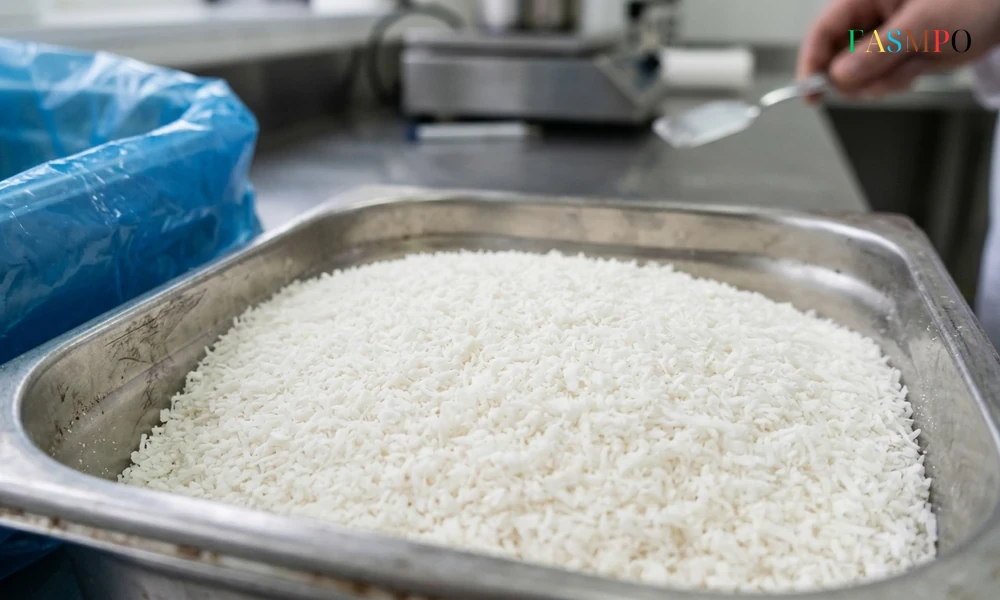
In standard commercial specifications, residual SO2 levels are typically capped at a maximum of 100 ppm, subject to contract confirmation. High-fat desiccated coconut grades (Fine and Medium) maintain a minimum fat content of 62.0%, maximum moisture of 3.0%, and Free Fatty Acid (FFA) below 0.3%. Sensory profiles require a natural white color with a fresh, sweet coconut flavor free from rancidity.
Impact on Food Processing Lines
Fluctuations in moisture, fat content, or particle size distribution can affect flowability, texture, and mixing ratios during automated food production. Buyers should consult product guidelines like our Desiccated Coconut Supplier Specifications Checklist to establish baseline quality parameters before ordering.
Packaging and Compliance Testing
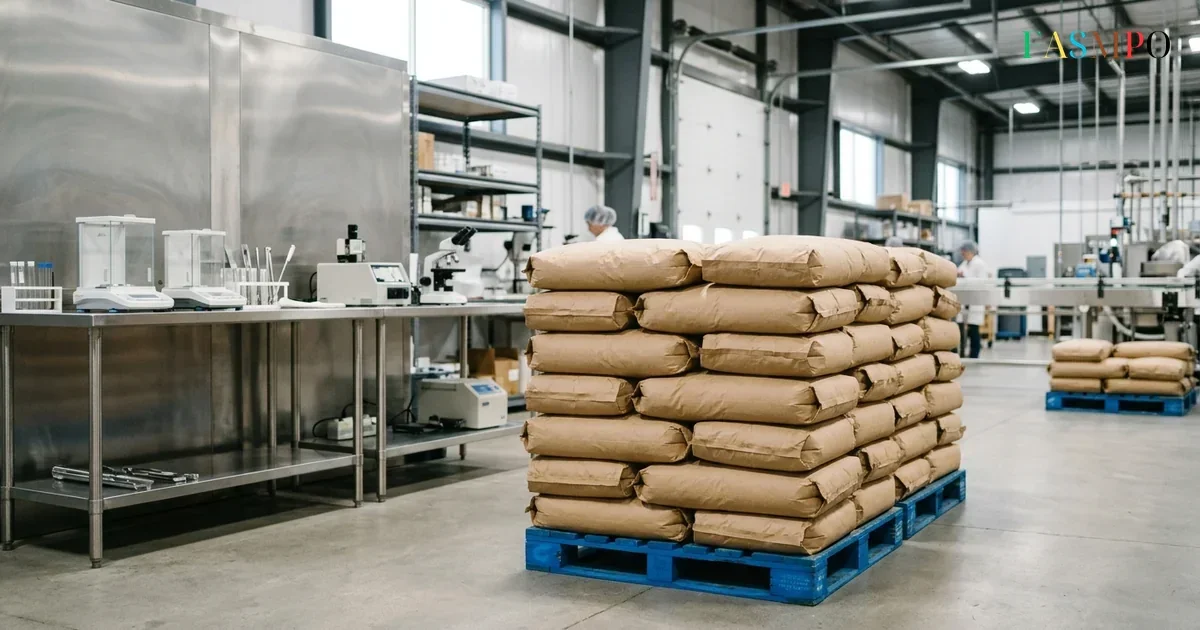
Desiccated coconut is packaged in multi-wall kraft paper bags with inner polyethylene (PE) liners (25 kg net weight) to protect against moisture absorption during transit. Batch-specific test certificates verify technical parameters prior to export shipment. Review product options at our Desiccated coconut export section.
For technical inquiries or custom contract specifications, reach out to sales@fasmpo.com or visit https://fasmpo.com.