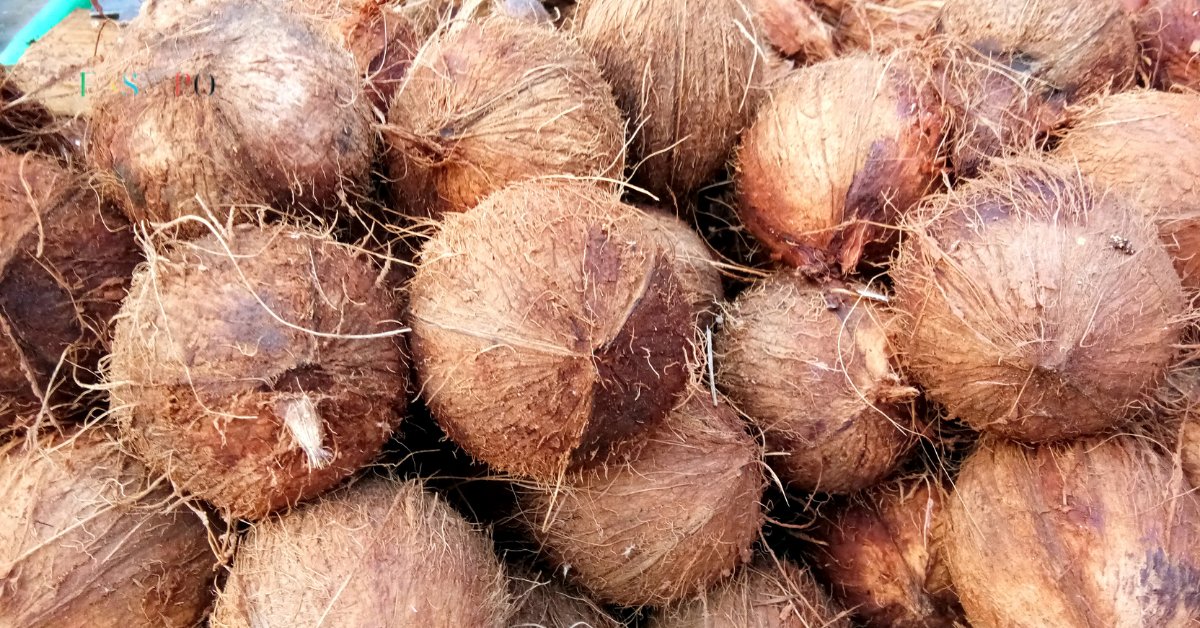
Export-standard dried coconut is benefiting from the organic, clean label, and plant-based food trends. Learn about the opportunities, standards, and strategies for your business.
Dried coconut Export standards are presenting significant growth opportunities as global consumers increasingly focus on organic, natural, minimally processed, and plant-based foods. From a familiar ingredient in confectionery and desserts, dried coconut is now appearing more frequently in granola, energy bars, healthy snacks, plant-based milk, vegan foods, diet products, and premium food lines.
For Vietnam, this is a noteworthy trend because coconut is one of the tropical agricultural products with significant potential for deep processing. If businesses only sell dried coconut as a common raw material, their competitive advantage mainly lies in price. However, if dried coconut is produced according to export standards, with traceability, food safety certification, and organic orientation, its commercial value can be significantly higher.
What are the export-standard dried coconuts?
Dried coconutThe export standard is typically the white coconut flesh from mature coconuts, which is shelled, cleaned, cut or grated, heat-treated, dried, and sorted by size. In international trade, the most common product is desiccated coconut.
A dried coconut product that meets export standards not only needs to have a beautiful white color and natural aroma. The product must also meet requirements regarding moisture content, oil content, particle size, impurities, microbiological indicators, chemical residues, packaging, labeling, testing records, and storage conditions. For demanding markets, importers may also require certifications such as HACCP, ISO 22000, FSSC 22000, BRCGS, IFS, Halal, Kosher, or Organic.
The key point is that "export standards" and "organic" are not the same concept. A product may meet export standards but not necessarily be organic. Conversely, a product wishing to be labeled organic in the importing market must be certified by an accredited organization, adhere to specific procedures, and have complete traceability documentation.
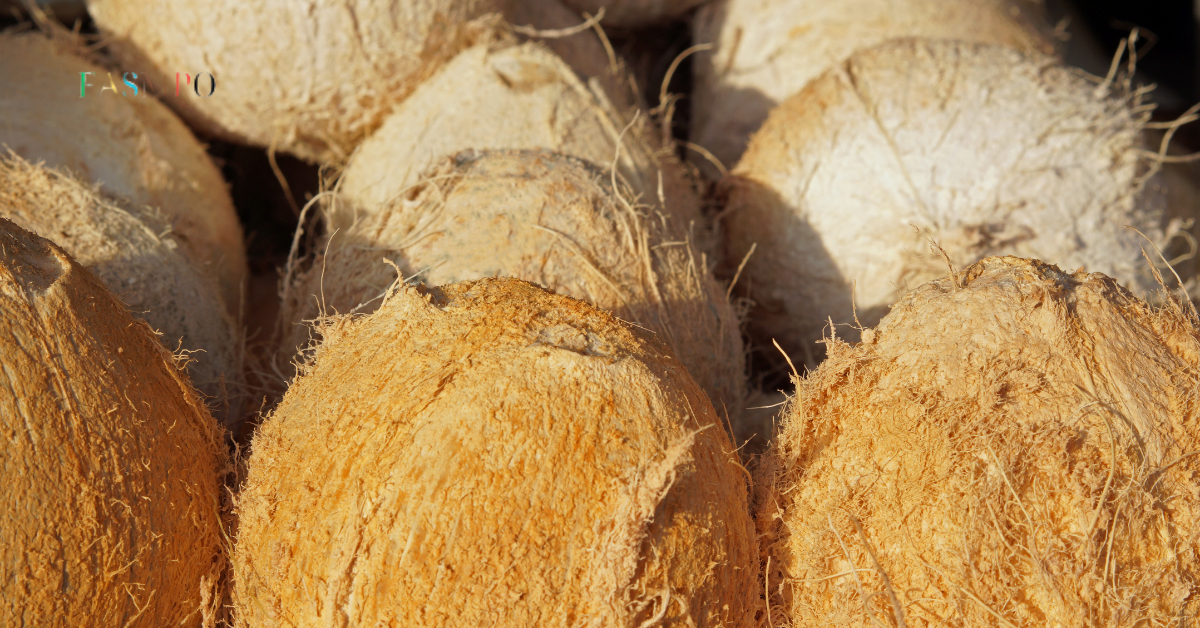
Organic food is changing the way consumers choose ingredients.
Today's consumers don't just buy products because they taste good or are cheap. They are more concerned about origin, production process, transparency, environmental impact, and brand trustworthiness. This is why organic food is gaining increasing attention in many developed markets.
For food manufacturers, this trend puts pressure on them to choose cleaner, more transparent ingredients that align with their brand positioning. If a brand wants to sell organic granola, organic energy bars, or organic snacks, they cannot use non-organic ingredients in their formulas. This has led to increased demand for organic ingredients such as organic dried coconut, organic coconut flour, organic coconut oil, and organic coconut milk.
Dried coconut has a natural advantage in this trend because it is a plant-based ingredient with a distinctive flavor, easy to blend, and suitable for many healthy food recipes. When certified organic and produced to export standards, dried coconut can reach a customer group with a higher price-paying capacity.
_20260529083915.png)
Why is dried coconut suitable for the organic trend?
Dried coconut is well-suited for organic food due to its wide range of applications and ease of combination with many other natural ingredients. In granola, dried coconut adds a rich, creamy flavor and a chewy texture. In cookies, dried coconut enhances flavor and appeal. In snacks, sliced or shredded dried coconut can be a ready-to-eat product. In plant-based beverages, dried coconut or coconut powder can help create a creamy base.
Another factor is that the tropical image of coconut is well-suited to premium products. Consumers in Europe, North America, Japan, South Korea, and Australia often view coconut as an ingredient associated with nature, plant-based richness, and tropical cuisine. When combined with organic certification, the perceived value of the product can be further enhanced.
Furthermore, dried coconuts have a longer shelf life than fresh coconuts, are easier to transport, and are convenient for industrial production. This is a significant advantage in the international supply chain, especially for food factories that need a stable supply of raw materials year-round.
Clean labels and plant-based approaches create additional motivation.
Besides organic, two closely related trends are clean label and plant-based. Clean label generally refers to products with a simple, easy-to-understand ingredient list, few unnecessary additives, and transparency to consumers. Plant-based is the trend of using plant-based ingredients to replace or reduce reliance on animal-derived ingredients.
Dried coconut lies at the intersection of these two trends. If the product is unsweetened, flavorless, and free of unnecessary preservatives, and has the appropriate certifications, it can become an attractive ingredient in many clean-label recipes. If the product is used in plant-based milk, plant-based ice cream, vegan cakes, or plant-based snacks, it also caters well to the needs of this emerging consumer group.
This is especially important for Vietnamese exporters. Instead of simply offering "good-priced dried coconut," businesses can position the product as a natural, stable ingredient suitable for organic, clean-label, and plant-based foods. This approach helps increase commercial value and expand the customer segment.
_20260529083937.png)
Vietnam's advantages in the organic coconut supply chain.
Vietnam has large coconut-producing regions, especially in the Mekong Delta. Ben Tre, Tra Vinh, Tien Giang, Vinh Long, and several other localities have a long tradition of coconut cultivation, processing expertise, and a developing ecosystem of coconut-based products. This is an important foundation for expanding the range of deeply processed products, including export-standard dried coconut.
Regarding the organic approach, Vietnam's advantage lies in its ability to develop raw material areas through a collaborative model. If businesses cooperate with farmers, guide cultivation processes, control inputs, keep production logs, and maintain traceability, coconut growing areas can gradually meet the requirements for organic certification.
However, natural advantages do not automatically translate into commercial advantages. To sell organic dried coconuts, businesses need to invest seriously in growing areas, factories, certifications, testing, and quality management systems. Organic is not simply a marketing story, but a system of control from farm to finished product.
Organic is not just about not using chemicals.
A common misconception is that organic products simply need to be "chemical-free" or "naturally grown." In reality, organic certification requires much more than that. Businesses need to comply with regulations regarding seeds, soil, fertilizers, permitted pesticides, buffer zones, irrigation water, harvesting, transportation, storage, processing, and record-keeping.
In dried coconut processing, organic standards also involve separating organic and non-organic materials, equipment hygiene, preventing cross-contamination, controlling additives, packaging, labeling, and batch traceability. If a factory produces both conventional and organic products, the separation process must be even more rigorous.
Therefore, businesses should not use the words "organic" or "organically produced" without appropriate certification. In international markets, mislabeling can lead to legal risks, product rejection, damage to reputation, or long-term brand harm.
Quality standards remain the foundation.
The organic trend has given dried coconuts more opportunities, but it doesn't replace basic quality criteria. An organic product that has poor color, strange smell, high moisture content, microbial contamination, or poor packaging still cannot be considered a good export product.
High-quality dried coconut should have a natural white to pale creamy color, a characteristic coconut aroma, and be free from musty, sour, smoky, or rancid oil odors. The product must be dry, loose, free from abnormal clumps, contain no impurities, and have the correct particle size as required by the customer.
Parameters such as moisture content, oil content, free fatty acids, ash, total microorganisms, yeast, mold, E. coli, Salmonella, and impurities need to be controlled through periodic testing. For large customers, a Certificate of Analysis (COA) is not just an accompanying document but proof of the supplier's quality control capabilities.
The organic segment has the potential to generate higher value.
Organic dried coconuts typically have higher production costs than conventionally produced coconuts. These costs stem from establishing the raw material source, certification, regular inspections, record-keeping, process separation, testing, traceability management, and yield risk. Therefore, organic products usually have a higher selling price.
However, high prices are only sustainable when the product truly has reliable quality and certification. International buyers are willing to pay more for organic products if they receive consistency, transparency, and the ability to meet standards. Conversely, if a product is only labeled organic but lacks documentation or has inconsistent quality, the price advantage will quickly disappear.
This is why Vietnamese businesses need to view organic farming as a long-term strategy. They shouldn't chase trends by rushing the process, producing substandard products, or simply using the keyword "organic" in their advertising. The true value lies in the production system and quality control.
Applications of organic dried coconut in food.
Organic dried coconut can be used in a variety of product groups. In the confectionery industry, it's used in cookies, chocolate, cakes, fillings, coconut candy, and toppings. In the breakfast food group, it appears in granola, muesli, instant oatmeal, and fortified cereals.
In the snack category, organic dried coconut in sliced or shredded form can be toasted until crispy, combined with dried fruit, nuts, or organic chocolate. In the beverage category, coconut powder or processed dried coconut can support the production of coconut milk, plant-based drinks, coconut-flavored instant coffee, or as an ingredient in beverages.
For healthy food brands, organic dried coconut can also be combined with organic cocoa, organic cashews, organic bananas, organic mangoes, organic oats, and coconut blossom nectar to create products with a more compelling origin story. This is a development direction that aligns with the trend of high-end consumption.
_20260529083949.png)
Opportunities for Vietnamese export businesses
The biggest opportunity for Vietnamese businesses is not just selling more dried coconuts, but upgrading their position in the value chain. If they only sell raw products, businesses are easily subjected to price pressure and direct competition from many other producing countries. By selling standardized, certified products and having a stable supply capacity, businesses can reach a better customer base.
To achieve this, businesses need to develop a clear strategy. First, they must identify their target market: Europe, the US, Japan, South Korea, the Middle East, or Australia. Each market has different requirements regarding certifications, labels, import documentation, and food safety standards.
Next, define the product line: full-fat organic dried coconut, fine or medium dried coconut, chips, flakes, organic coconut powder, or retail products. Each product line requires its own specification, standard sample, and quality control process. Finally, build B2B marketing capabilities: company profile, certifications, sample COA, factory images, product specifications, and the ability to respond quickly to international customers.
Challenges in developing organic dried coconut
Despite the great opportunities, developing organic dried coconut production is not easy. The first challenge is sourcing the raw materials. Farmers need time to transition, change their farming practices, keep records, and adhere to procedures. During the transition period, yields and costs can fluctuate.
The second challenge is supply chain control. If organic ingredients are mixed with conventional ingredients, the shipment may lose its certification value. If the factory does not separate production areas, does not follow proper hygiene procedures, or does not manage records well, the risk of cross-contamination increases.
The third challenge is cost. Organic certification, testing, audits, packaging, and quality management all increase expenses. Businesses need a clearly defined target customer base to ensure sales and avoid investing impulsively without being able to sell at a suitable price.
What should businesses prepare for?
To capitalize on the organic food trend, dried coconut producers should start with a focus on quality. Factories need to effectively control moisture content, color, flavor, microorganisms, and impurities before even considering organic certification. If the fundamental quality is not stable, certification will not create sustainable value.
Next, businesses need to build a linked raw material supply area. Collaborating with farmers, cooperatives, or growing regions capable of managing records will facilitate certification and traceability. Training farmers is also crucial because organic farming cannot be controlled solely at the factory.
Finally, businesses need to prepare a professional export dossier. For organic products, customers often require valid organic certification, COA, specifications, food safety certificates, batch traceability information, sample labels, and documentation proving the process. The clearer the dossier, the better the negotiation chances.
_20260529084004.png)
Conclude
Export-standard dried coconut is clearly benefiting from the organic, clean label, and plant-based food trends. As global consumers become more concerned about the origin and quality of raw materials, Vietnamese dried coconut has the opportunity to enter a higher-value segment if it meets the right standards.
However, organic is not a label to increase the selling price. It's a rigorous production, control, and certification system. Businesses wanting to develop organic dried coconut need to invest in raw material sources, factories, testing, certification, traceability, and stable delivery capacity.
With its advantage of tropical coconut-growing regions, processing expertise, and expanding international demand, Vietnam has the opportunity to build a high-quality dried coconut image in the global market. If done correctly, dried coconut will not only be an export raw material but also a product representing Vietnam's deep processing capabilities and sustainable agricultural value.