
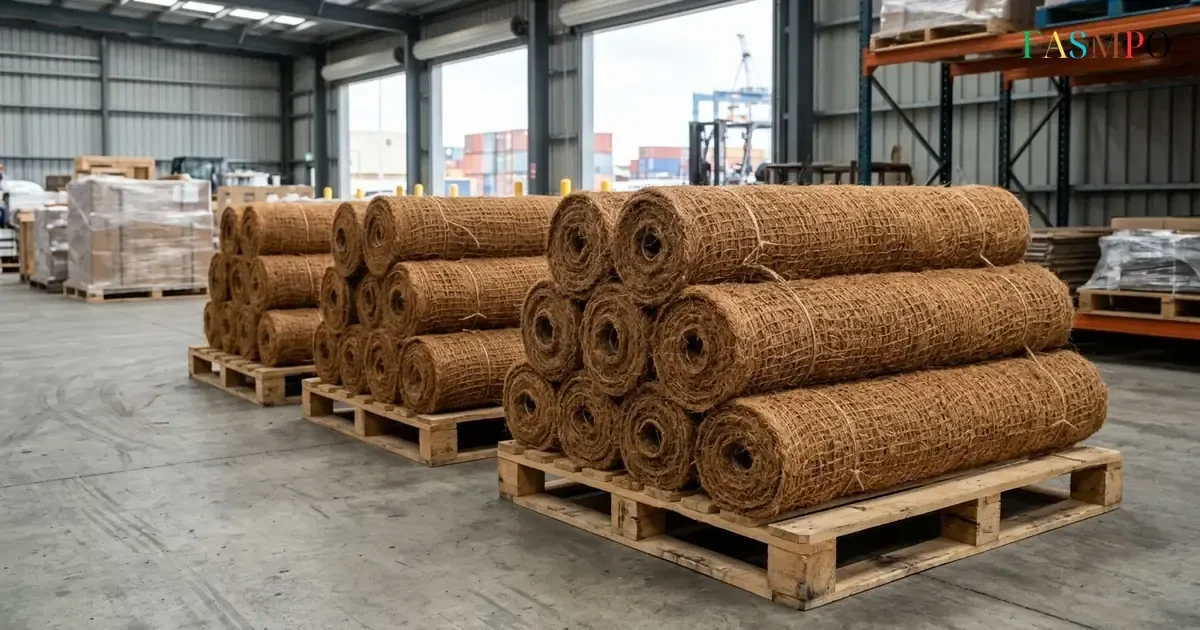
Regulatory compliance guide for coir mat export: Phytosanitary inspection protocols, destination fumigation rules, and accurate HS code 5311.00 classification.
Coir Mat Export Compliance: Phytosanitary Certification, Fumigation & HS Code Classification for Importers
For international trade managers, agricultural compliance officers, and customs brokers importing natural coir geotextiles and erosion control mats, regulatory compliance represents the critical gatekeeper between arriving ocean vessels and port release. Derived from agricultural raw materials—specifically processed coconut husk fibers originating in tropical cultivation zones like Vietnam—coir blankets and needle-punched mats are classified under plant-origin goods. Consequently, import authorities across major jurisdictions, including the United States Department of Agriculture (USDA-APHIS), the European Union National Plant Protection Organizations (NPPOs), and the Australian Department of Agriculture, Fisheries and Forestry (DAFF), enforce stringent biosecurity protocols. A single clerical error in export documentation, an unapproved fumigation dosage, or a misdeclared Harmonized System (HS) tariff code can trigger mandatory port quarantine holds, costly demurrage penalties, re-exportation orders, or cargo destruction at destination.
Essential Export Documentation for Agricultural Coir Mat Shipments
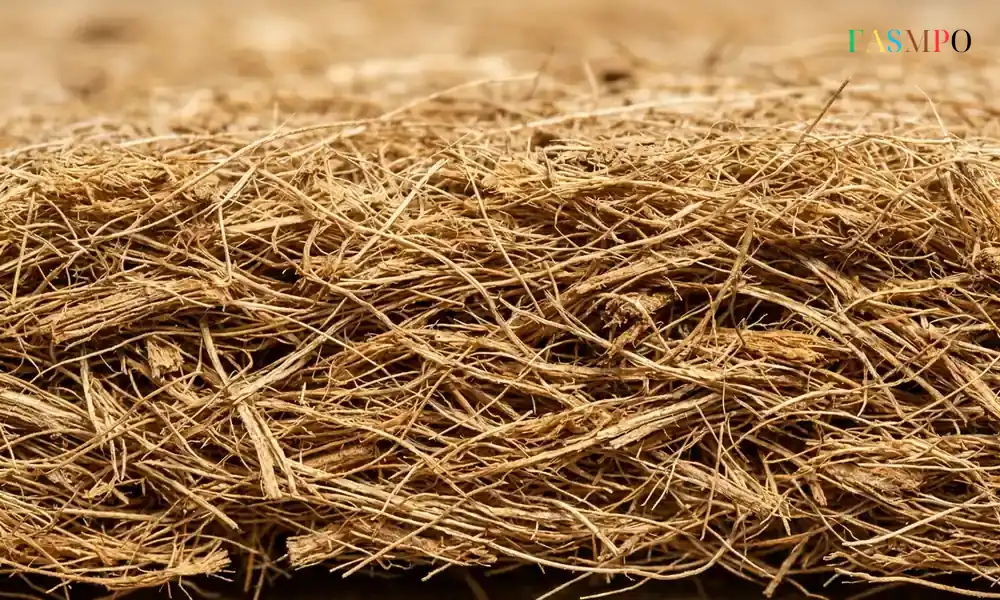
Achieving frictionless customs clearance requires complete document harmonization across the commercial invoice, ocean bill of lading, and official regulatory declarations issued in Vietnam.
| Compliance Document | Issuing Authority / Standard | Operational Purpose for Importers |
|---|---|---|
| Phytosanitary Certificate | Plant Protection Department of Vietnam (PPD - Ministry of Agriculture) | Mandatory government-to-government certification confirming cargo is free from regulated quarantine pests, soil contaminants, and live plant pathogens. |
| Fumigation / Disinfestation Certificate | Accredited licensed fumigation agency under national and international protocols | Verifies deep chemical or thermal disinfestation (Methyl Bromide, Phosphine, or ISPM 15 heat treatment) against wood-boring insects and agricultural pests. |
| Certificate of Origin (C/O) | VCCI or Import-Export Administration (Ministry of Industry and Trade, Vietnam) | Substantiates origin eligibility under preferential trade agreements (Form EUR.1 for EVFTA, Form E for ACFTA, Form AK/VK, or Form B). |
| Technical Specification & Moisture Report | Manufacturer Internal Quality Control / Accredited Laboratory (e.g., SGS, Vinacontrol) | Documents basis weight (GSM), roll tensile characteristics, and verified moisture content (≤ 15.0%–16.0%) to prevent in-transit fungal decay. |
Phytosanitary Inspection Standards & Pest-Free Verification Protocols
Prior to container loading at the export facility, representative samples are drawn by phytosanitary quarantine officers. The physical inspection verifies that the coir fiber has been thoroughly cleaned, carded, and freed from extraneous organic matter such as coconut flesh residues, bark fragments, viable weed seeds, and adhering soil. The presence of soil particles is an absolute red-flag trigger for biosecurity agencies worldwide, resulting in immediate cargo quarantine. Furthermore, moisture testing ensures the cargo remains at or below 15.0% moisture content; excessive moisture combined with warm ship holds creates conducive conditions for saprophytic mold formation, jeopardizing biosecurity clearance upon arrival.
Methyl Bromide & Heat Treatment Fumigation Requirements by Destination Country
Fumigation regulations are not universal and depend strictly on destination country legislation and pest risk categories.
| Destination Market | Regulatory Body | Standard Treatment Protocol & Guidelines |
|---|---|---|
| Australia & New Zealand | DAFF (Biosecurity) / MPI | Enforces the Australian Fumigation Accreditation Scheme (AFAS). Methyl Bromide (CH3Br) treatment must follow strict temperature-dosage-duration matrices or approved thermal treatment protocols. |
| United States & Canada | USDA-APHIS / CFIA | Pre-shipment fumigation with Methyl Bromide or Phosphine (Aluminium Phosphide). Palletized shipments must utilize certified ISPM 15 heat-treated (HT) timber stamped with IPPC marks. |
| European Union (EU) | National Plant Protection Organizations | Strict environmental restrictions on atmospheric Methyl Bromide discharge; Phosphine gas fumigation, controlled atmosphere, or certified pre-export Phytosanitary inspection is commonly applied. |
| Middle East & Asia-Pacific | Regional Agricultural Ministries | Standard Aluminium Phosphide (Phosphine) or Methyl Bromide container fumigation prior to B/L release. |
AFAS & US USDA Biosecurity Compliance Guidelines
For shipments to Australia under the AFAS scheme, fumigation must be conducted exclusively by accredited treatment providers registered in the DAFF offshore treatment registry. The fumigation certificate must specify exact container numbers, gas concentrations recorded across multiple monitoring lines (top, middle, and bottom of cargo), ambient exposure temperatures, and final degassing aeration readings (< 5 ppm residual CH3Br). For the US market, USDA-APHIS inspectors examine the cargo upon arrival; failure to produce an authentic pre-shipment Phytosanitary Certificate detailing pest-free declaration can lead to immediate Notice of Refusal of Admission under Section 412 of the Plant Protection Act.
HS Code Classification (5311.00 / 5602.10) and Tariff Declarations
Precise Harmonized System (HS) code classification is paramount to prevent customs penalty fines, anti-dumping inquiries, or overpayment of customs duties.
- HS Code 5311.00.00 (Woven fabrics of other vegetable textile fibers; woven fabrics of paper yarn): Applied specifically to woven coir netting, open-mesh coir geotextiles (Coir Geonets), and woven coir erosion control blankets structured with twisted coir twines and defined aperture dimensions.
- HS Code 5602.10.00 (Needleloom felt and stitch-bonded fiber fabrics): The primary and most accurate tariff classification for non-woven, mechanically needle-punched coir mats, coir felt blankets, and horticultural grow pads without woven interlacing.
- Secondary Classifications (5702.20 / 5607.90): HS 5702.20 covers finished floor coverings of coir (coir door mats with vinyl/latex backings), whereas HS 5607.90 applies to raw twisted coir twine, ropes, and cordage.
Avoiding Customs Clearance Delays and Quarantine Rejection Risks
To avoid costly port hold-ups, importers should mandate a pre-shipment documentation audit with the Vietnamese exporter. Ensure the product description on the Phytosanitary Certificate exactly mirrors the Commercial Invoice and Bill of Lading text. For shipments benefiting from preferential tariffs under free trade agreements (such as EVFTA for 0% duty entry into Europe), verify that the exporter possesses an approved REX registration or valid Certificate of Origin Form EUR.1 issued by the authorized licensing agency.
For further technical background on manufacturing standards, visit our Vietnamese coir mat production facility.
Direct Regulatory & Commercial Trade Inquiries
FASMPO Co., Ltd. coordinates end-to-end export documentation, accredited phytosanitary inspections, and tailored fumigation protocols across all ocean shipments of coir geotextiles and agricultural products originating from Vietnam.
To review destination-specific import requirements, verify bilateral tariff schedules, or request container pricing with full compliance documentation, contact our international trade office directly at info@fasmpo.com or visit our corporate portal: https://fasmpo.com.